 Image 1 of 1
We will review your current pump (hospital-grade, double electric, single electric, manual) or recommend options based on your needs, frequency, and insurance eligibility.
Flange sizing: They will measure and assess flange fit (size and shape) and show how to check for proper nipple movement during a session. Proper flange fit is one of the most important practical issues addressed.
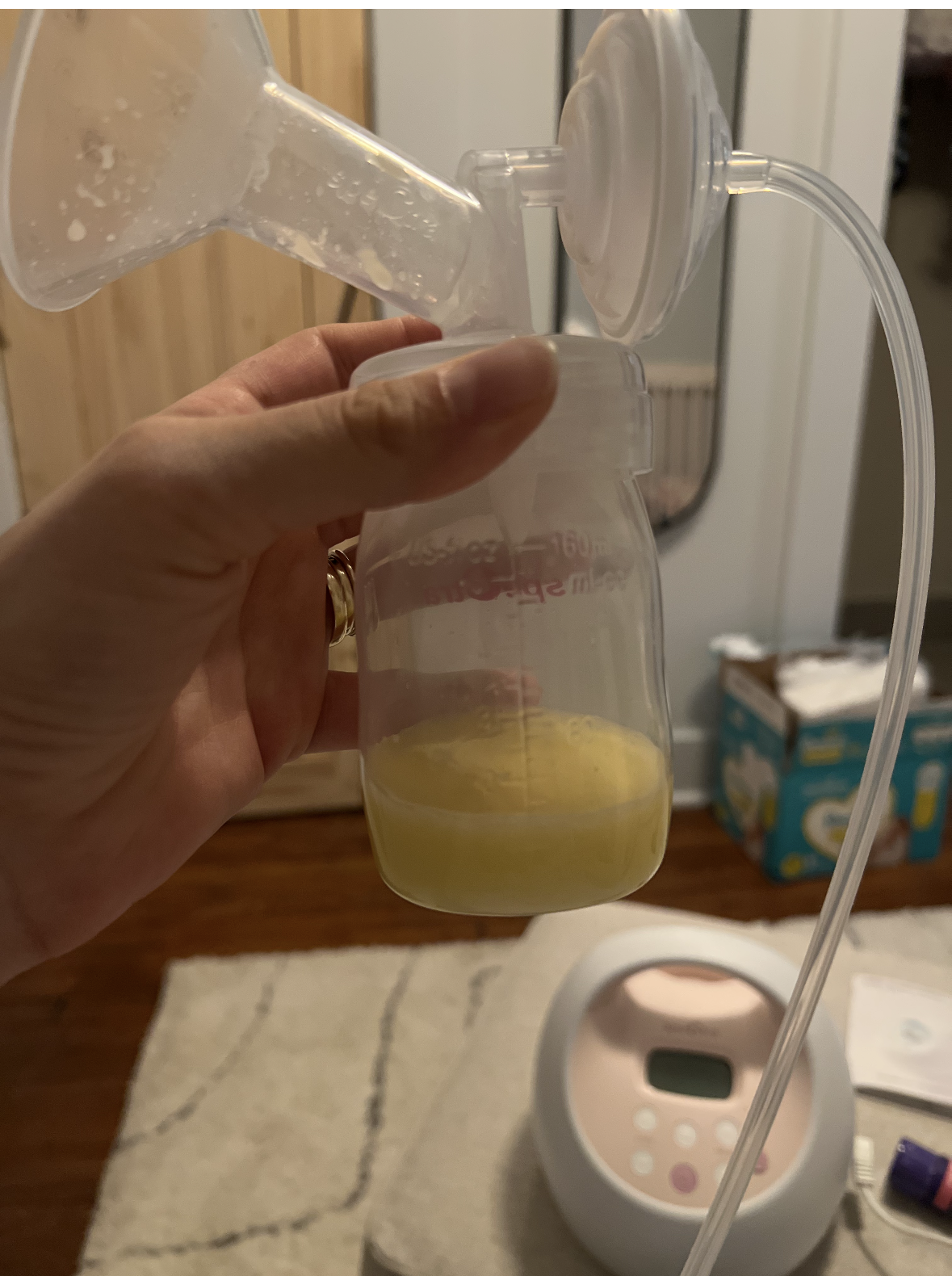
Parts and accessories: Guidance on tubing, valves, membranes, collection bottles, shields, and useful accessories (hands-free bras, pump stands, replacement parts).
Sanitization and maintenance: Instructions on cleaning, sterilization, and routine maintenance to keep pumps working well and reduce infection risk.
Hands-on pumping observation and coaching
Setup and positioning
Pump settings and let-down
Troubleshooting: Addressing low output, pain, or poor vacuum
Milk collection and storage: Practical advice on how long to pump, how often, how to store and label expressed milk, and how to combine milk from multiple sessions safely.
Assessment of supply and feeding plan
Supply evaluation: The consultant will evaluate milk output trends, breastfeeding or infant intake if applicable, and provide strategies for increasing or maintaining supply (power pumping, frequency, supplemental nursing system, galactagogues discussion).
Scheduling: Personalized pumping schedule tailored to your work hours, baby’s feeding needs, and goals (e.g., maintaining supply during work, establishing exclusive pumping).
Integration with breastfeeding: If you’re also nursing, the consultant will advise on combining nursing and pumping to protect supply and infant feeding skills.
A written summary that includes recommended pump settings, flange size, replacement part suggestions, a sample pumping schedule, and troubleshooting tips will be provided.
Printed or verbal step-by-step instructions and demonstrate assembly/disassembly, cleaning, and replacement part checks.
We will review your current pump (hospital-grade, double electric, single electric, manual) or recommend options based on your needs, frequency, and insurance eligibility.
Flange sizing: They will measure and assess flange fit (size and shape) and show how to check for proper nipple movement during a session. Proper flange fit is one of the most important practical issues addressed.
Parts and accessories: Guidance on tubing, valves, membranes, collection bottles, shields, and useful accessories (hands-free bras, pump stands, replacement parts).
Sanitization and maintenance: Instructions on cleaning, sterilization, and routine maintenance to keep pumps working well and reduce infection risk.
Hands-on pumping observation and coaching
Setup and positioning
Pump settings and let-down
Troubleshooting: Addressing low output, pain, or poor vacuum
Milk collection and storage: Practical advice on how long to pump, how often, how to store and label expressed milk, and how to combine milk from multiple sessions safely.
Assessment of supply and feeding plan
Supply evaluation: The consultant will evaluate milk output trends, breastfeeding or infant intake if applicable, and provide strategies for increasing or maintaining supply (power pumping, frequency, supplemental nursing system, galactagogues discussion).
Scheduling: Personalized pumping schedule tailored to your work hours, baby’s feeding needs, and goals (e.g., maintaining supply during work, establishing exclusive pumping).
Integration with breastfeeding: If you’re also nursing, the consultant will advise on combining nursing and pumping to protect supply and infant feeding skills.
A written summary that includes recommended pump settings, flange size, replacement part suggestions, a sample pumping schedule, and troubleshooting tips will be provided.
Printed or verbal step-by-step instructions and demonstrate assembly/disassembly, cleaning, and replacement part checks.