
What we will assess
Baby: feeding cues, latch and positioning, suck pattern, tongue- and lip-tie signs, weight trends, if you have recent weights
Breast: milk supply concerns, nipple pain or damage, engorgement, plugged ducts, mastitis history.
Feeding routine: frequency/duration of feeds, use of breast and/or bottle, pumped milk, and supplemental feeding methods.
Parent comfort and goals: pain management, return-to-work plans, medication/supply concerns, breastfeeding duration goals.
What we’ll do together
Observe a feeding and coach gentle hands-on adjustments to positioning and latch.
Teach effective breast compressions to enhance blood flow and improve transfer.
Demonstrate pumping techniques and equipment settings for your pump model.
Show safe and comfortable ways to offer a bottle or supplemental feed if needed (cup, syringe, supplemental nursing system).
Troubleshoot nipple pain, blocked ducts, oversupply/undersupply, or nipple shield use.
If needed, perform an oral motor/fit check for tongue or lip ties and help plan next steps.
Give clear, written feeding and follow-up plans you can use at home.
We will discuss how you and your family are feeling and steps to move forward

What we will observe and assess at the follow-up visit
If your baby has had any recent doctor visits, tests, or medications, have that information available.
Gather any feeding-related items: breast pump and parts, bottles, nipple shields, recent weights if you have them, and the clothing you usually nurse in.
Baby’s latch and positioning during feeding
Baby’s feeding cues, suck pattern, and swallowing
Breast comfort, nipple condition, and any signs of engorgement or blocked ducts
Pumping effectiveness and how pumped milk is being stored/handled (if applicable)
Infant weight trends and diaper output as indicators of adequate intake
Mother’s pain levels, milk supply concerns, and emotional well-being
Hands-on support and teaching
Gentle, respectful assistance with latch and positioning
Demonstration and coaching for efficient pumping (including pump flange fit)
Strategies for improving milk transfer and increasing supply, if needed
Techniques to manage pain, cracked nipples, engorgement, mastitis, or plugged ducts
Safe, practical strategies for night feeds, cluster feeding, and returning to work
Guidance for supplementing, paced bottle-feeding, or relactation if relevant
Care plan and next steps
Personalized feeding plan with specific, achievable goals
Practical tips to try between visits and signs to watch that would prompt earlier contact
Recommendations for follow-up—timing for another visit or remote check-in, and when to contact your pediatrician
Most follow-up home visits last 60–90 minutes, depending on needs.
If you have immediate concerns before the visit (fever, severe breast pain, a red swollen area on the breast, baby isn’t waking for feeds, or has very few wet diapers), contact your pediatrician or seek urgent care, and let me know so I can prioritize those issues during the visit.

What to expect during the visit
Review of your pregnancy, medical, and breastfeeding history.
Discussion of your birth plan and how it may affect early feeding (skin-to-skin, delayed cord clamping, immediate breastfeeding, rooming-in).
Education on newborn behavioral cues for hunger, feeding frequency, and normal newborn weight loss and stool/urine patterns.
Hands-on practice with positioning and latch using a doll or self-practice; demonstration of common holds (cradle, cross-cradle, football, side-lying) and modifications for C-section recovery, sore nipples, or large breasts.
Evaluation of potential anatomical issues (flat/inverted nipples, breast anatomy, prior breast surgery) and a plan to address them.
Discussion of pumping: when to start, how and when to use a pump, choosing a pump, flange fit, cleaning and storage basics for expressed milk.
Supply management: early cues for adequate milk transfer, hand expression basics, introduction to frequent removal to support supply, and strategies if separation from baby is expected (e.g., NICU).
Pain prevention and management: common causes of nipple pain, prevention techniques, and safe postpartum treatments.
Medication and breastfeeding: review of current medications and any that may affect milk supply or require precautions.
Newborn safety and jaundice: signs to watch for, when to seek help, and how feeding supports jaundice management.
Development of a feeding plan: practical steps for the first 24–72 hours, backup plans if breastfeeding isn’t immediately possible, and local resources for in-person postpartum support (lactation consultants, breastfeeding groups).
Confidence with a few comfortable holds and basic hand expression.
We will review any questions and concerns you may have so that you feel more confident, supported, and excited about your future breastfeeding experience!

Need help choosing the right breastfeeding and pumping products for your new baby? Our personalized Product Recommendation Service at Katie Taylor Lactation takes the guesswork out of preparing for feeding—so you get tools that fit your feeding goals.
What we do
Assess your feeding plan: breastfeeding-only, combination feeding, exclusive pumping, or transitioning back to work.
Recommend evidence-based, practical product options: breast pumps (manual, single, double, hospital-grade), pump parts and flange sizing, nipple shields, nipple creams and barrier products, milk storage solutions, bottles and slow-flow nipples, lactation supplements and foods, wearable pump accessories, nursing bras and clothing, breast pads and leak protection, cleaning and sterilization tools.
Prioritize safety, comfort, efficiency, and budget: we include pros/cons, expected lifespan, and realistic price ranges.
Provide a tailored shopping list with must-haves, nice-to-haves, and starter quantities so you buy only what you need.
Ready to simplify feeding prep? Book a Product Recommendation consultation and get confident, customized product guidance so you can focus on feeding and bonding with your baby.
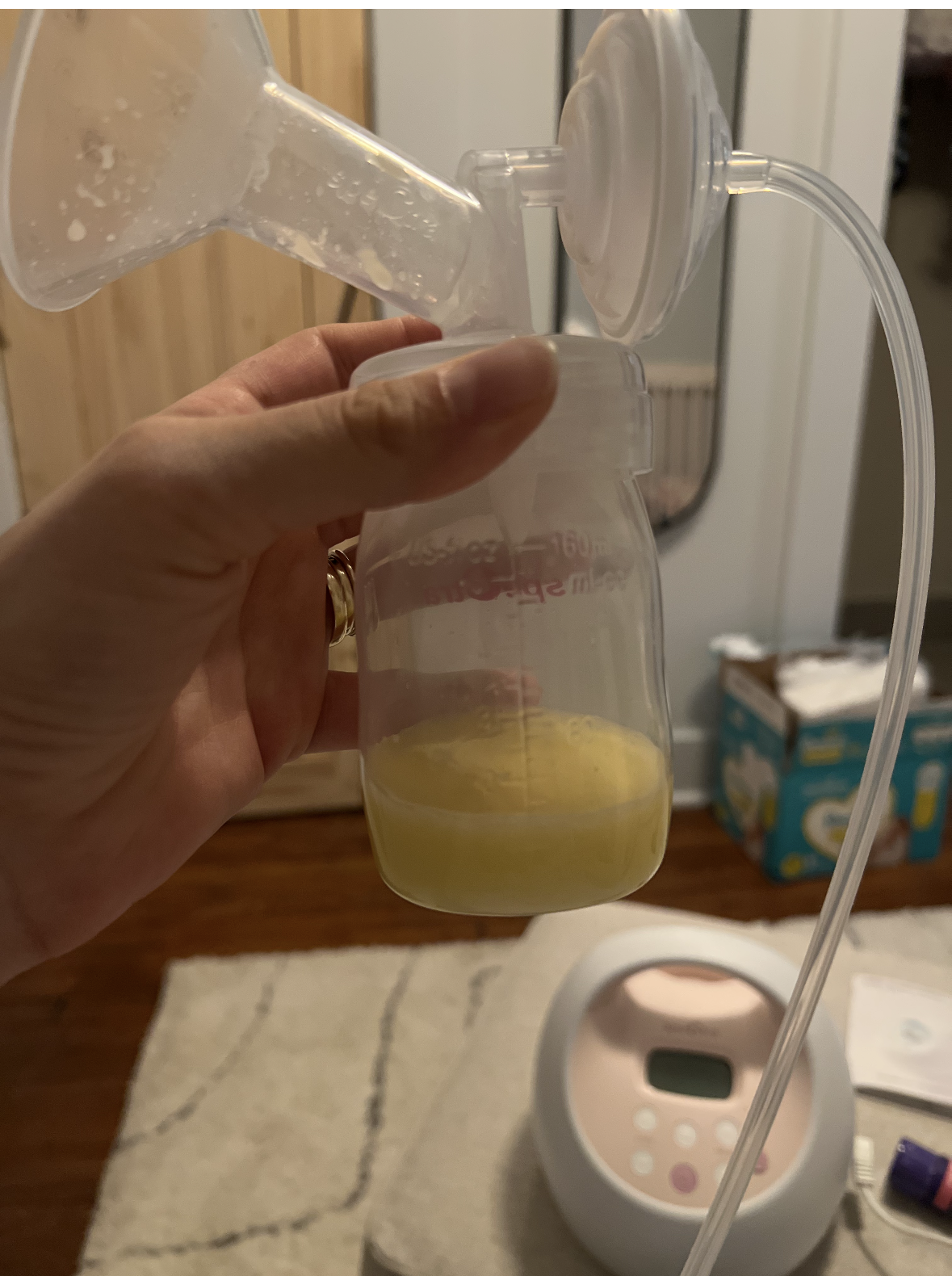
We will review your current pump (hospital-grade, double electric, single electric, manual) or recommend options based on your needs, frequency, and insurance eligibility.
Flange sizing: They will measure and assess flange fit (size and shape) and show how to check for proper nipple movement during a session. Proper flange fit is one of the most important practical issues addressed.
Parts and accessories: Guidance on tubing, valves, membranes, collection bottles, shields, and useful accessories (hands-free bras, pump stands, replacement parts).
Sanitization and maintenance: Instructions on cleaning, sterilization, and routine maintenance to keep pumps working well and reduce infection risk.
Hands-on pumping observation and coaching
Setup and positioning
Pump settings and let-down
Troubleshooting: Addressing low output, pain, or poor vacuum
Milk collection and storage: Practical advice on how long to pump, how often, how to store and label expressed milk, and how to combine milk from multiple sessions safely.
Assessment of supply and feeding plan
Supply evaluation: The consultant will evaluate milk output trends, breastfeeding or infant intake if applicable, and provide strategies for increasing or maintaining supply (power pumping, frequency, supplemental nursing system, galactagogues discussion).
Scheduling: Personalized pumping schedule tailored to your work hours, baby’s feeding needs, and goals (e.g., maintaining supply during work, establishing exclusive pumping).
Integration with breastfeeding: If you’re also nursing, the consultant will advise on combining nursing and pumping to protect supply and infant feeding skills.
A written summary that includes recommended pump settings, flange size, replacement part suggestions, a sample pumping schedule, and troubleshooting tips will be provided.
Printed or verbal step-by-step instructions and demonstrate assembly/disassembly, cleaning, and replacement part checks.
No results match your search. Try removing a few filters.