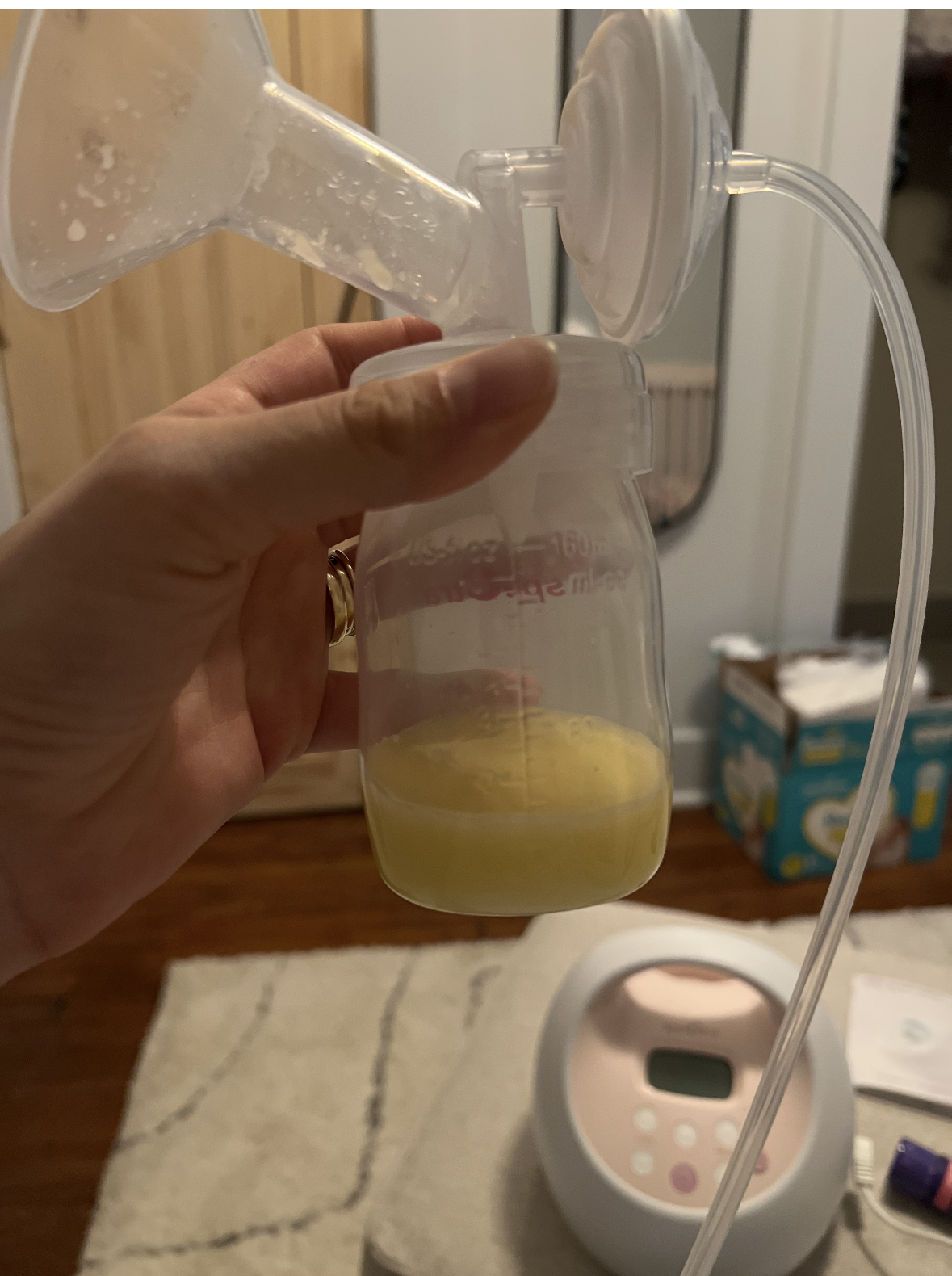
Pumping consult!
A pumping consult is a focused visit to help you establish, improve, or troubleshoot breast milk expression. Whether you’re returning to work, increasing supply, managing low output, or planning a pumping routine, a consultant will guide you through practical strategies and personalized recommendations. Here’s what to expect.
During the consult
Intake and goal setting: The consultant will review your history and clarify realistic goals and timelines.
Observation and demonstration: If you bring your pump, expect an assessment of flange fit and setup. The consultant may watch you pump (in person or via video) to check positioning, flange seal, and technique. They can demonstrate hands-on techniques like breast compressions, massage, or manual expression.
Assessment of milk transfer: The consultant will evaluate milk output patterns and discuss how to assess transfer at home (e.g., milk volume, baby’s weight gain, diaper output).
Pump evaluation: You’ll get guidance on pump type and features appropriate for your goals (double electric, hospital-grade rental, or compact personal pumps), and troubleshooting for poor suction, backflow, or motor issues.
Flange fitting: The correct flange size is essential. The consultant will measure and may recommend different sizes or customizations to improve comfort and efficiency.
Creating a pump plan: Expect a personalized pumping schedule tailored to your baby’s age, work hours, and supply needs—frequency, session length, and timing (e.g., early morning sessions to boost supply).
Techniques to increase supply: Evidence-based strategies may include optimizing emptying (power pumping, cluster pumping), ensuring adequate stimulation, improving latch at breast if combination feeding, managing stress and sleep, and reviewing nutritional/hydration/milk-sparing medications or galactagogues if appropriate.
Managing pain and complications: The consultant will address nipple or breast pain, engorgement, plugged ducts, and signs of mastitis. They can recommend positioning, latch or flange adjustments, cold/heat, massage, and when to seek medical care.
Storage and labeling: Guidance on milk storage times, thawing, combining milk, and safe handling for daycare or workplace use.
Hands-on help (in person): May include manual expression coaching, fitting flanges, and demonstrating soak/cleaning methods for pump parts.
Written plan: You should receive a clear pump plan—frequency, duration, settings, and techniques to try—plus goals and follow-up timing.
A pumping consult is a focused visit to help you establish, improve, or troubleshoot breast milk expression. Whether you’re returning to work, increasing supply, managing low output, or planning a pumping routine, a consultant will guide you through practical strategies and personalized recommendations. Here’s what to expect.
During the consult
Intake and goal setting: The consultant will review your history and clarify realistic goals and timelines.
Observation and demonstration: If you bring your pump, expect an assessment of flange fit and setup. The consultant may watch you pump (in person or via video) to check positioning, flange seal, and technique. They can demonstrate hands-on techniques like breast compressions, massage, or manual expression.
Assessment of milk transfer: The consultant will evaluate milk output patterns and discuss how to assess transfer at home (e.g., milk volume, baby’s weight gain, diaper output).
Pump evaluation: You’ll get guidance on pump type and features appropriate for your goals (double electric, hospital-grade rental, or compact personal pumps), and troubleshooting for poor suction, backflow, or motor issues.
Flange fitting: The correct flange size is essential. The consultant will measure and may recommend different sizes or customizations to improve comfort and efficiency.
Creating a pump plan: Expect a personalized pumping schedule tailored to your baby’s age, work hours, and supply needs—frequency, session length, and timing (e.g., early morning sessions to boost supply).
Techniques to increase supply: Evidence-based strategies may include optimizing emptying (power pumping, cluster pumping), ensuring adequate stimulation, improving latch at breast if combination feeding, managing stress and sleep, and reviewing nutritional/hydration/milk-sparing medications or galactagogues if appropriate.
Managing pain and complications: The consultant will address nipple or breast pain, engorgement, plugged ducts, and signs of mastitis. They can recommend positioning, latch or flange adjustments, cold/heat, massage, and when to seek medical care.
Storage and labeling: Guidance on milk storage times, thawing, combining milk, and safe handling for daycare or workplace use.
Hands-on help (in person): May include manual expression coaching, fitting flanges, and demonstrating soak/cleaning methods for pump parts.
Written plan: You should receive a clear pump plan—frequency, duration, settings, and techniques to try—plus goals and follow-up timing.